

In revisiting this blog post I wrote years ago, I feel compelled to once again address the misconceptions surrounding the way I and many others speak. The idea that one’s eloquence could be attributed to “sounding white” is not only inaccurate but deeply rooted in racial stereotypes that need dismantling.
The narrative began with a simple Facebook rant about the frequent comments on my speech and behavior, perceived as resembling those of a white person. This online outburst not only highlighted my own frustrations but also resonated with a multitude of others who shared similar experiences.
The flood of responses underscored how pervasive and deeply rooted these perceptions are in society, sparking a broader conversation about identity, acceptance, and the arbitrary associations we make between race and language. This interaction was a turning point, revealing the collective need to address and dismantle these stereotypes that too often divide us.
This discussion isn’t merely about defending the way we speak. It’s about confronting and changing the harmful prejudices that link language proficiency with race. Educated speech is a human attribute, transcending racial and ethnic boundaries.
From childhood, remarks about my supposed “white” speech pattern and behavior puzzled and sometimes alienated me. My mother’s insightful advice reshaped my perspective: “It’s not talking white, it’s being articulate and sounding educated, just as I raised you.” This reframing helped me see my articulation as a positive trait, transforming frustration into a recognition of my own strengths.
In updating this blog, I’ve incorporated recent studies and statistics that underscore how widespread these stereotypes are, affecting not just African Americans but also other ethnic groups. For instance, a 2022 study by the Linguistic Society of America found that linguistic profiling based on speech patterns affects numerous communities, influencing everything from job prospects to social interactions.
Personal stories collected over the years further illustrate the commonality and impact of these experiences. These narratives, from a diverse range of voices, highlight the need for broader acceptance and understanding of the many ways people express themselves linguistically.
This issue extends beyond simply defending our manner of speech. It involves challenging the deeply ingrained biases that associate linguistic fluency with a particular racial identity. Proficiency in language is a universal trait, transcending racial and ethnic lines. It’s crucial we embrace this in our discourse and educational efforts.
My engagement with the arts, education, and various cultural activities has often been labeled as “acting white,” but these are simply expressions of my interests and values that stem from a diverse family. Labeling them as characteristic of any race is both limiting and divisive. We must teach our children and remind ourselves that intelligence and cultural pursuits are not confined to any single group.
As we continue to evolve as a society, recognizing and valuing linguistic diversity is essential. By educating ourselves and our children about the richness of all cultural expressions, we can combat ignorance and foster a more inclusive environment.
Let us all work together to ensure that our voices, regardless of their cadence or clarity, are celebrated as reflections of our unique identities and choices, not the color of our skin.
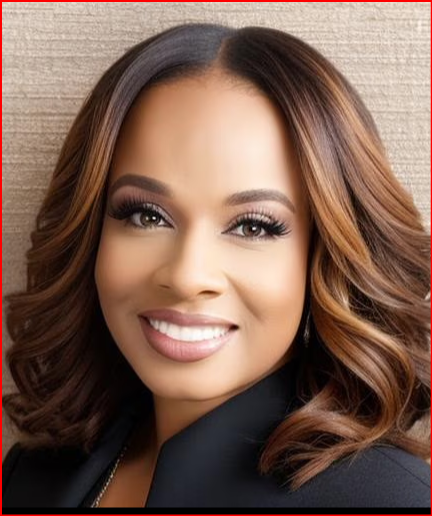
Mara Prose is a celebrated author, passionate educator, and advocate for diversity and inclusion. Through her writings and public engagements, Mara strives to challenge stereotypes and promote a deeper understanding of cultural richness. Her works explore themes of identity, resilience, and empowerment, aiming to inspire others to embrace their unique voices and stories. As the founder of Mara Prose Publishing, she continues to support and amplify the voices of emerging writers, fostering a literary community that values creativity and inclusivity. Join her journey and discover the power of words at http://www.maraprosepublishing.com.


 Mara Prose Publishing
Leave a reply to @OneWomansStylee Cancel reply